
The following advice should help you decide if misting (MQL) is likely to be a good fit for your operation, decide which capacity pumping unit you need and install, use & maintain the system to get the best from your investment.
Click on the titles below to see more about each topic.

Is Misting (MQL) a Good Choice For You?
In most cases, this is a simple one to answer. Misting systems have the potential to fix some major issues when replacing flood cooling, such as:
-
The fluids are used neat, so the chances of coolant infection (along with the associated smells and OSH concerns) are eliminated.
-
The workplace environment is cleaner as misting minimises the chances of overspill, run-off from workpieces, and atmospheric misting around machines.
-
Misting can reduce your cost per cut through improved tool life and performance.
But, as with most things in life, it may also have some downsides for some operators, including:
-
The “blunderbuss” approach of flood coolant is less demanding on staff knowledge and training.
-
It may not be possible to locate the misting system away from potential damage from passing foot-traffic, forklifts or materials.
-
The misting unit requires an air supply, which may not be available.
So, the first question you should ask yourself is “are any of the negatives dealbreakers to me adopting misting?”
If they aren’t, you should think about the type of work you generally undertake, or intend to take on going forward, and consider whether any of the potential benefits could apply or if they would be unachievable for you.
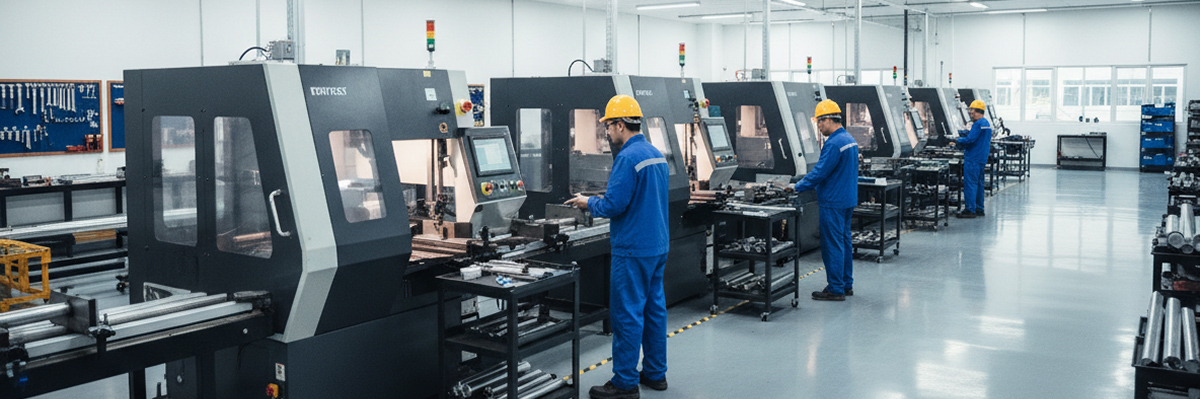
For example, you may have a well ventilated location for your bandsaw that already eliminates any airborne microdroplets around the machine and your work does not demand a residue-free component for its next process, plus you currently get very good blade life and the coolant never gets infected. In this case, unless you have other reasons to switch, continuing with your current cooling methods seems a good option.
However, misting would probably help if you have any of the following concerns:
- Your flood coolant keeps going off, especially in the warmer months or when the machine is unused for a few days.
- Staff illness is higher than you think it should be and you have suspicions that the current working environment is a factor.
-
The amount of coolant ending up on your workshop floor is becoming a hazard, or reaching an expensive level of wastage.
-
Your downstream processing of components is adversely affected by the residue left from your flood coolant.
-
You have suspicions that the current coolant is not getting to the cutting zone well enough to look after your tools and provide sufficient ROI.
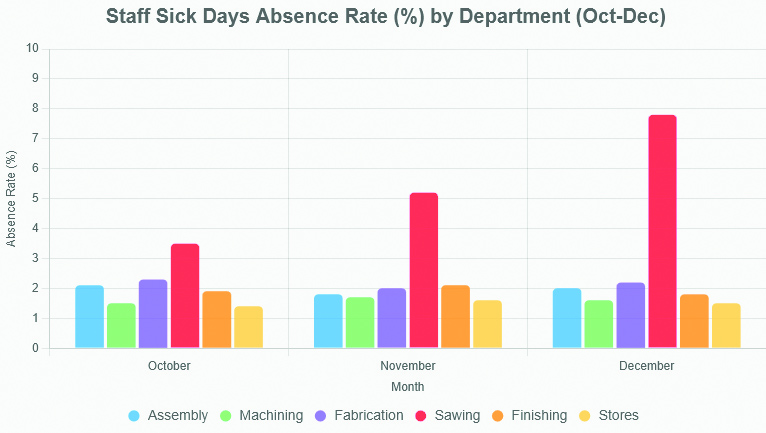
These are all good reasons to at least open a conversation about changing to a misting system, and you may have other more specific concerns that we have not included here. The key is to take an honest look at the problems you might be hoping to solve, and think about how the misting system might make a difference to each of them.
What Capacity Pump Should I Use?
Assuming you’ve decided misting might be a good option, you’ll need to consider the capacity of the system’s tank. This comes down to two simple questions:
-
How often do I want to fill it up?
-
How much space have I got for the unit?
The misting fluids are generally available in either 5 or 20 litre containers, drums are also available but would typically make sense for larger users running multiple systems on several machines. Whether you go for the 1.5 or 4 litre system depends on how much you think you will use over a certain amount of time, and how easy it will be to physically access the tank for filling, which comes down to where you can mount it.
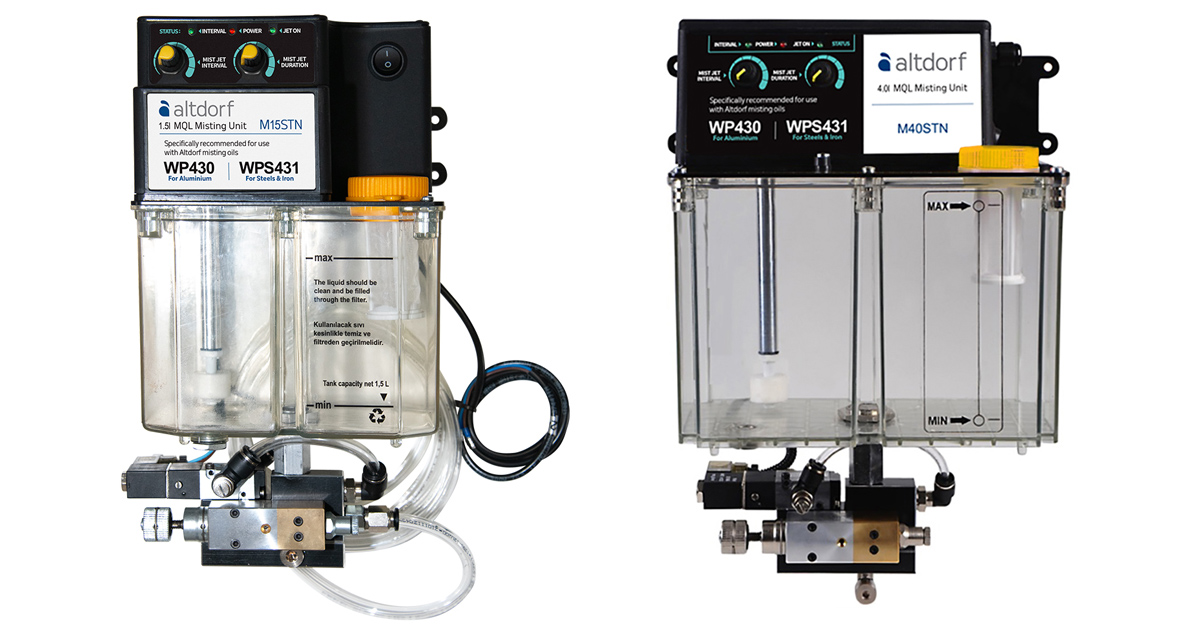
If it’s more awkward to fill the tank, say because you’ve had to mount it on a wall behind the machine to minimise the risk of it getting damaged, then maybe a larger tank would be better. On the other hand, if you can mount the unit on the machine in an easy-access location, perhaps the smaller tank would be less likely to get knocked than the 4 litre one.
And of course, there is a price difference, although as most of the system uses the same components whichever tank size you choose, the difference is not great, meaning that all things being equal, you should incur lower labour costs overall to fill the larger tank less frequently.
How do I Install and operate the system?
They are quite easy to fit to your machine or nearby wall, etc. You will need a suitable air (6 bar minimum) and electrical supply, of course, but they are not complicated devices and just require fixing firmly in their location, away from hazards, with easy access.
Each system comes with the appropriate nozzle for your machine/process, which will need to be positioned so that it sprays oil right where needed, i.e. directly before the actual metal removal occurs. In this way, the minimum amount of oil required is drawn straight into the cutting zone and none is wasted – hence the term Minimum Quantity Lubrication, or MQL, often being applied to misting systems.
If your machine/process require that the oil is applied at different positions for different workpieces (e.g. when cutting different material section sizes on a bandsaw) you will need to ensure the nozzle is movable so that it can always spray directly before the cutting zone.
Refer to the images below when following these instructions for installing and setting up your misting unit.
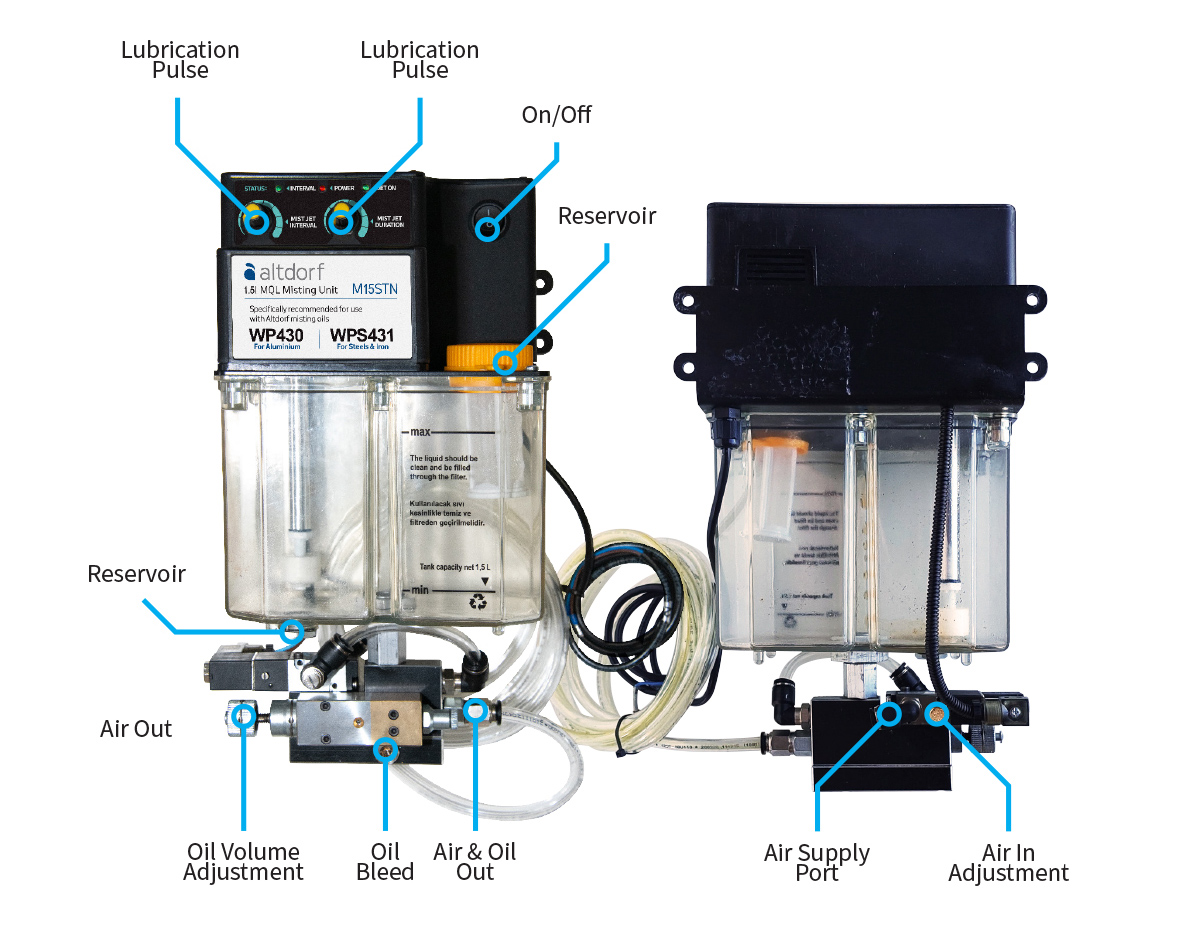
- Unpack the product in the upright position and ensure the unit is in good condition with no signs of damage, particularly around the reservoir & pump connections.
- Ensure the on/off button is in the off position.
- Electrically connect the unit ensuring correct voltage is used. Units are produced as 24V DC as standard and must be installed by an electrician / electric technician.
- Install the product in an upright position where it is needed. Horizontal or inclined type installations may prevent the system from working and cause problems.
- Connect the air to the air supply port. (Recommended working pressure is 6-8 Bar.)
- Open the reservoir filler cap and fill the tank with MQL liquid up to the max line with the help of a funnel. (Never operate the product without MQL liquid inside. Do not use with water or other liquids. Do not allow other oils or grease to mix with the MQL oil in the tank.)
- Loosen the oil bleed screw and re-tighten once oil begins to flow freely.
- Fully open the oil volume adjustment.
- Bring the ON-OFF button of the product to the “on” position. Air pressure must be a minimum of 6 bars, always use filtered air (air must not contain particles or liquid).
- After the above steps, the lubrication system will start to work in the factory settings.
- You will see the oil flowing through the transparent hose going to the nozzle.
- In some cases, some air in the pump prevents the oil from being discharged. In this case, while the product is in operation, loosen the oil bleed screw at the bottom of the pump until you see the hole on it (CAUTION!! Do not fully remove this bolt.) Within 4 to 5 seconds, oil should be seen coming from the hole in the bleed screw. Wait a further 4 to 5 seconds and tighten the bleed screw. This process will remove any air trapped within the pneumatic pump stroke.
- Once the unit is set up you can adjust the frequency of lubrication spray using the lubrication pulse interval dial (higher values give longer delays between sprays) and the length of the spray using the lubrication pulse duration dial.
SUMMARY
Misting coolant offers many potential positives and we believe that, for many users, it can provide real benefits over flood coolants. But the choice is dependent on several factors, the combination of which will be different for each user’s unique situation.
We would suggest that any operators should at least consider changing, by looking at the pros and cons and applying them to their own situation. Even if it becomes immediately clear that changing to misting is not for you, doing this will give you clarity and certainty to move forward having made the best choice.
For those less certain, or for whom misting seems to offer real benefits, we recommend you get in touch with us for a more detailed discussion around if, and how, you should go about making the change.
But if you are convinced you should consider changing, think about whether your set up and type of work will suit it and ask yourself what you're trying to solve by the change. Then consider whether a smaller or larger capacity system will be more practical. Installation is simple and running them requires a little intitial fine-tuning to achieve the optimal performance & efficiency.
If you're not yet familiar with MQL/Misting coolant, you may want to read our article HERE on whether it can really do what it promises.